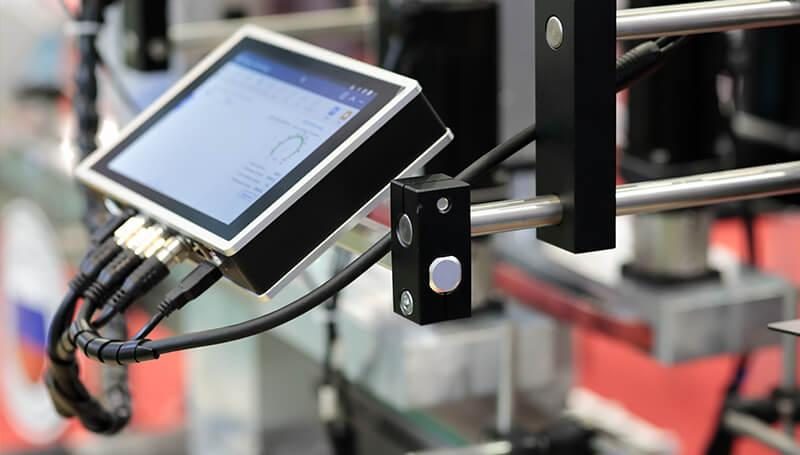
In recent years, manufacturers have been reevaluating their approach, shifting from complete machine replacement to strategic HMI panel upgrades. This case study explores why this targeted modernisation offers compelling advantages.
Cost-Effective Modernisation
Replacing a complete production machine can cost hundreds of thousands—or even millions—of pounds, often requiring significant downtime for removal, installation, and validation. By contrast, upgrading the HMI panel provides:
- Capital Expenditure Savings: Panel replacement costs are typically a fraction of full machine replacement, allowing pharmaceutical companies to extend asset life without large capital outlays.
- Minimal Downtime: A panel swap can often be executed in days rather than months, reducing lost production capacity.
- Regulatory Continuity: Since the core mechanical and process elements of the machine remain unchanged, revalidation and GMP documentation requirements are simplified.
For many clients, this approach has freed budget for parallel investments in other operational improvements, such as data analytics or sustainability projects.
Enhanced Data Security with Windows 11
With the global rise in cyber threats targeting manufacturing, data protection is now a compliance and operational imperative. Legacy Windows 8 HMIs present multiple risks:
- End-of-life status means no ongoing security updates.
- Older encryption and network protocols make systems vulnerable to intrusion.
- Compatibility issues with modern security tools limit monitoring and protection.
Upgrading HMI panels to Windows 11 offers:
- Advanced Security Architecture: Including hardware-based isolation, Secure Boot, and Windows Hello multi-factor authentication.
- Regular Security Updates: Direct from Microsoft, ensuring compliance with GxP data integrity standards.
- Better Integration with IT/OT Networks: Supporting modern cybersecurity frameworks like Zero Trust and secure remote access for maintenance.
For pharmaceutical clients—where data integrity is essential for batch records, validation logs, and quality control—this upgrade significantly reduces risk exposure.
Full BMS Integration for Operational Efficiency
Modern HMI panels can act as intelligent gateways, seamlessly integrating manufacturing equipment into a facility’s wider Building Management System (BMS). This brings:
- Real-Time Environmental Monitoring: Ensuring production conditions such as temperature, humidity, and air pressure meet GMP requirements.
- Energy Efficiency Gains: Synchronising HVAC and equipment operation to reduce energy consumption during idle periods.
- Centralised Alarm Management: Allowing both production and facility teams to respond quickly to deviations, improving uptime and compliance.
Such integration aligns with sustainability goals by reducing energy waste and supporting predictive maintenance strategies.
Supporting Green Manufacturing Strategies
As the pharmaceutical sector embraces sustainability, HMI upgrades contribute by:
- Reducing Electronic Waste: Extending machine life avoids the environmental impact of full machine disposal and replacement.
- Lower Energy Footprint: Modern HMIs use more efficient processors and support smart energy management.
- Data-Driven Resource Optimisation: Advanced analytics capabilities enable real-time adjustments to minimise resource usage without compromising quality.
Conclusion
For pharmaceutical manufacturers, upgrading HMI panels rather than replacing entire machines is a strategic decision with multiple benefits:
- Significant cost savings and reduced downtime.
- Improved data security through migration to Windows 11.
- Full BMS integration enabling smarter, greener operations.
This targeted modernisation not only safeguards production integrity but also supports long-term sustainability and competitiveness—making it a clear choice for forward-thinking pharma clients.